
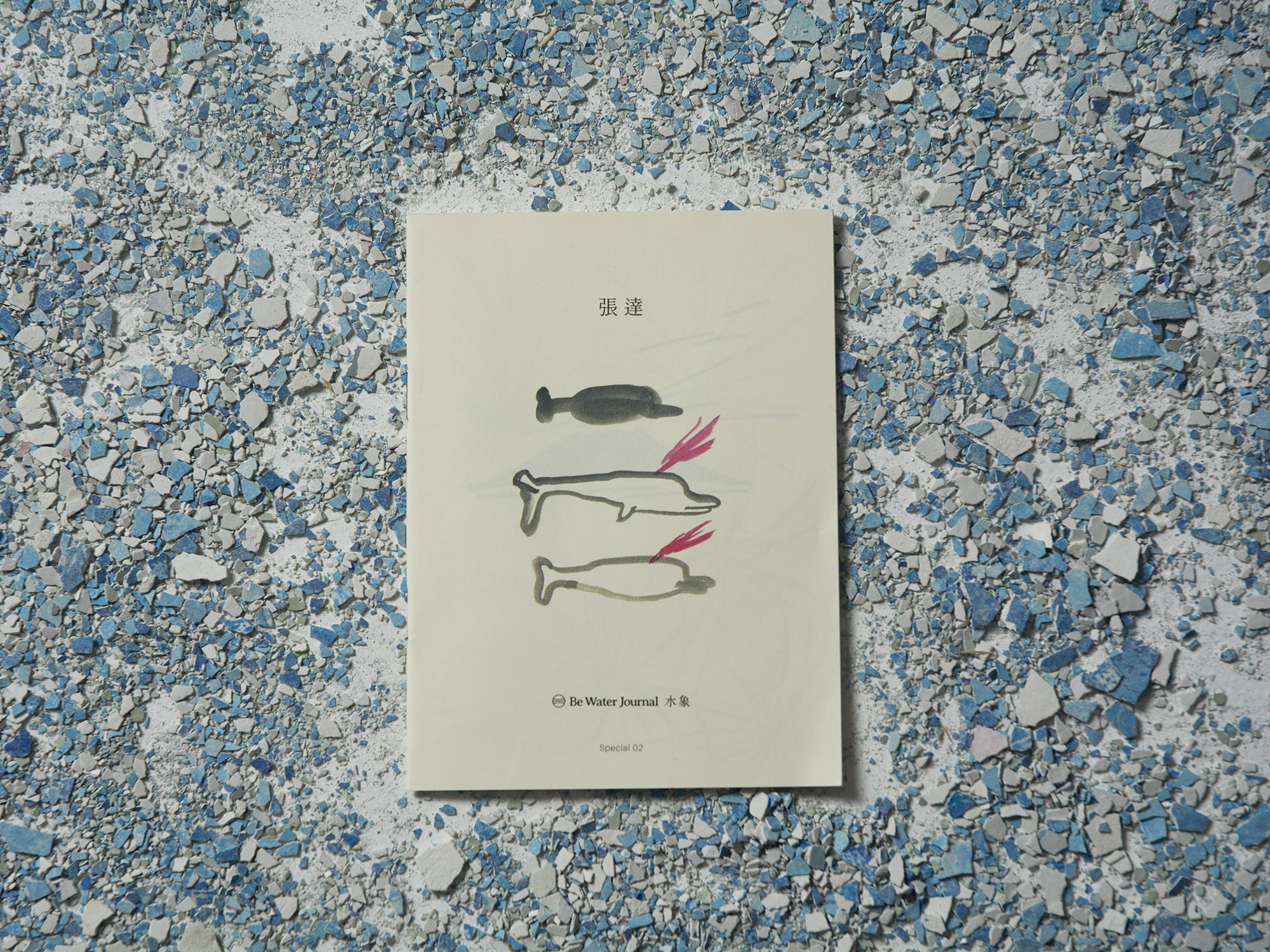
移形換影
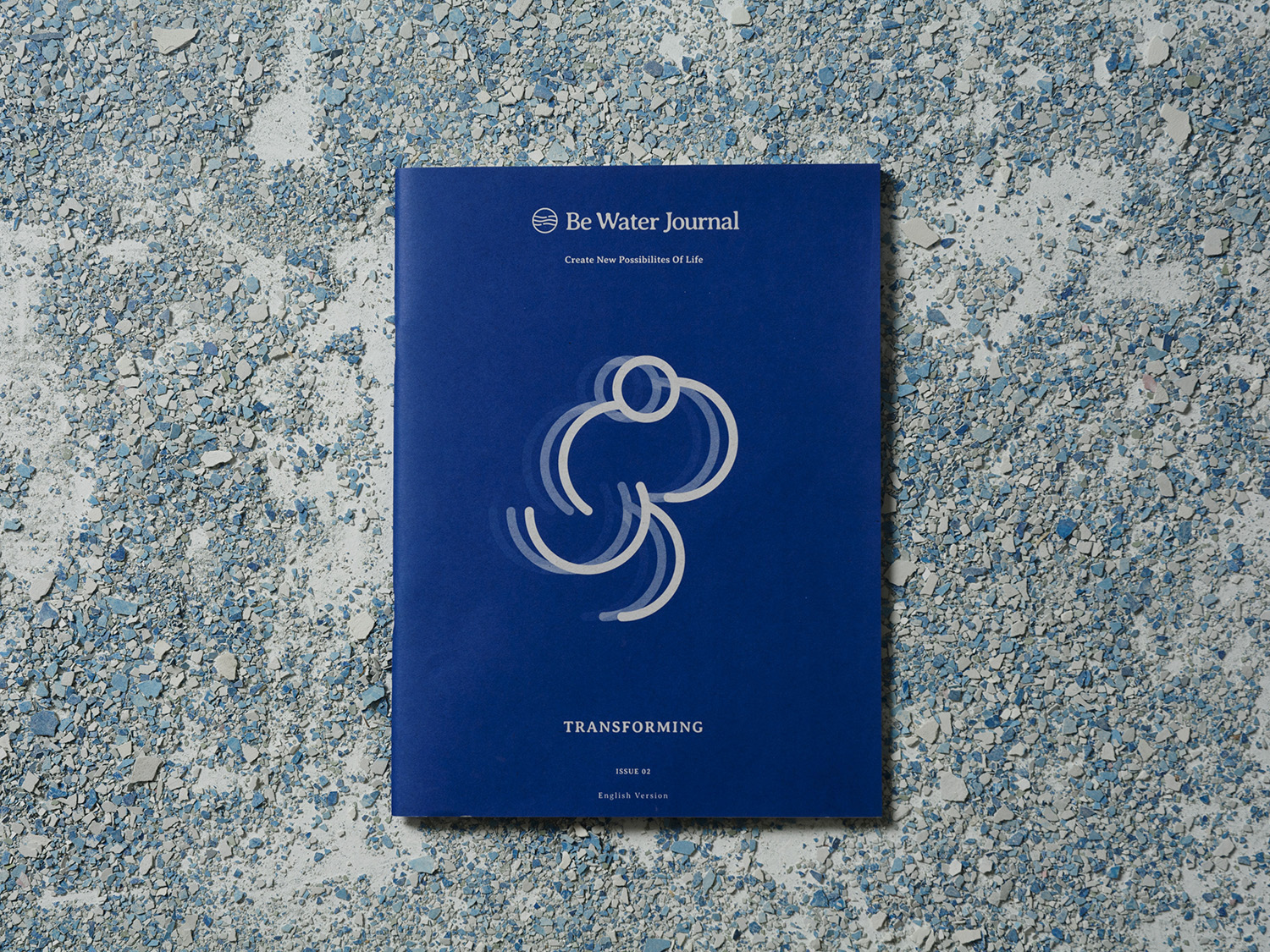
Transforming , 2019

Issue 2 is completely sold out. If you wish to purchase this edition, please follow us on WeChat and Instagram.
通過對全球10位文化創造者的訪談,
This issue covers 10 cultural creatives from around the globe, who discuss with us how have digital technology and other emerging new tech been changing their creations, lives and societies. Some of them share their thoughts accordingly on the presumable future.
64 pages plus, special features focus on regeneration of traditions, clothing technology and the sociality of music.
探討當下的數字科技等新技術,
與城市、自然、手工、人的關係,
以及對創作、生活、社會之影響,
並延展對未來世界的想象。
+64頁 特約專欄,
聚焦傳統再生、服裝科技、音樂的社會性……





“There are no passengers on Spaceship Earth. We are all crew.”
Text Amyrock Ju Translator Ni Fangfang
In issue 02, we are looking at how the ongoing boom in digital technologies affects creative work, lifestyle and the whole society, the discussion of which is particularly pertinent to China today. We Chinese are undergoing a revolution caused by modernization (urbanization included) and digitization: we can see QR codes for mobile payment everywhere in traditional wet markets; our less tech-savvy parents have also become phubbers; Apps can provide you everything you need for daily life even without leaving home. Then, we just realized new technologies, especially digital technologies are changing our lives, bit by bit, in a fundamental sense.
We pour ourselves into the emerging technologies without hesitation, but what does the future hold for us? It may be full of possibilities, or just face a dead end. Yet, we question it, feel anxious about it, but never presuppose it. Rather, we try to clear away the clouds by constant observation and learning. As a result, we interviewed 10 “Cultural Creatives” from all over the globe. Some of them use emerging technologies for creation intertwined with imagination to respond to the era and re-establish social value. The others stay back in observation, reflecting on what technologies really bring about from a rational and critical perspective.
What will happen in the future? As interviews went on, one answer stood out – no matter how technologies change, nature won’t change. As to human society, it is our heart, or should I say our spirit and beliefs, that drives everything forward. KOBAKANT, a German artist group we interviewed said, “It would be nice if we recognized technology as much for its purpose as a tool for making beliefs together – a myth creation tool that allows us to collaborate and live together with shared beliefs, and not just as a means of making life easier or more efficient.” In the eyes of Dutch designer Daan Roosegaarde, technologies can create another fantasy – “the second scenario is more like Leonardo da Vinci, we learn how to fly, we learn how to cure ourselves, to communicate with ourselves.” When it comes to practical ways, Duo Ning, Chinese architect, stated: “I expect that rather than being content with ‘web feed’, homo sapiens at the top of ‘Carbon-based life forms’ ought to co-work with the algorithm or technical device. This kind of collaborative development would help us not be penned in ‘tittytainment’.”
Fear, worry, complaint and control, none of them will make it a better world. To live in a more imaginative and reassuring future, each of us may need to take initiative to push for positive changes. It could be composing a song, or cooking a meal. Whatever it is, just turn belief into action, just like those 10 interviewees, as well as those who built the bridges between modern and traditional cultures. “There are no passengers on Spaceship Earth. We are all crew.”
Last but not least, let’s re-examine at the Neolithic Age. Similarly to the contemporary age, the Neolithic is also a great period when punctuated by discoveries and awakenings that wrote history. The writer Hu Lancheng stated in his book “Sinology, Science and Philosophy” :”Neolithic people explored math, physics, astronomy and music. But above all, they discovered the sun. In fact, farming and fire had appeared in the Paleolithic, but it is still dim cave paintings that represented the sentiment of Paleolithic people. They never looked up into the sun or the moon, while the sun showed intellectual sheen and joy as to the Neolithic people. It was shedding intellectual brightness everywhere on the vast land. The intellectual joy of finding laws of nature came to be the greatest pleasure. As a result, the Neolithic is a world of sun and music.”
「地球這艘飛船上沒有乘客,我們都是船員。」
——Marshall McLuhan
探討當下迅猛發展的數字技術對創作、生活乃至整個社會的影響,是第2期刊物的起點。這個議題,放在當下的中國,尤其恰當。新技術尤其是數字技術,正深入地從最微小處、根本處,一點一滴地改變着我們的生活。
全然地、毫不遲疑地擁抱着新興技術的我們,未來會如何?對於這個充滿可能性甚至無解的問題,我們雖有諸多疑問和焦慮,但並未預先設置一個立場,而是不斷地觀察和學習,試圖去撥開雲霧。最終,我們採訪了10 位來自全球的「文化創造者」,他們或積極地採用新興技術進行具有想象力的創造,回應當下,試圖重塑新的價值觀;或帶着理性和批判的視角,貼近觀察和反思技術所帶來的影響。
恐懼、擔憂、抱怨、控制,都不會讓這個世界變好。如果每個人都希望生活在一個更具想象力且令人心安的未來,那麼,從當下開始,或許每個人都可以發揮自身的主動性,從點滴去推動正向的改變——不論你是去寫一首歌,還是做一頓飯。像本期10位受訪者,以及本期那些在當代文化與傳統文化間搭建橋樑的朋友們那樣,將信念化為行動吧。
Contents
本期内容
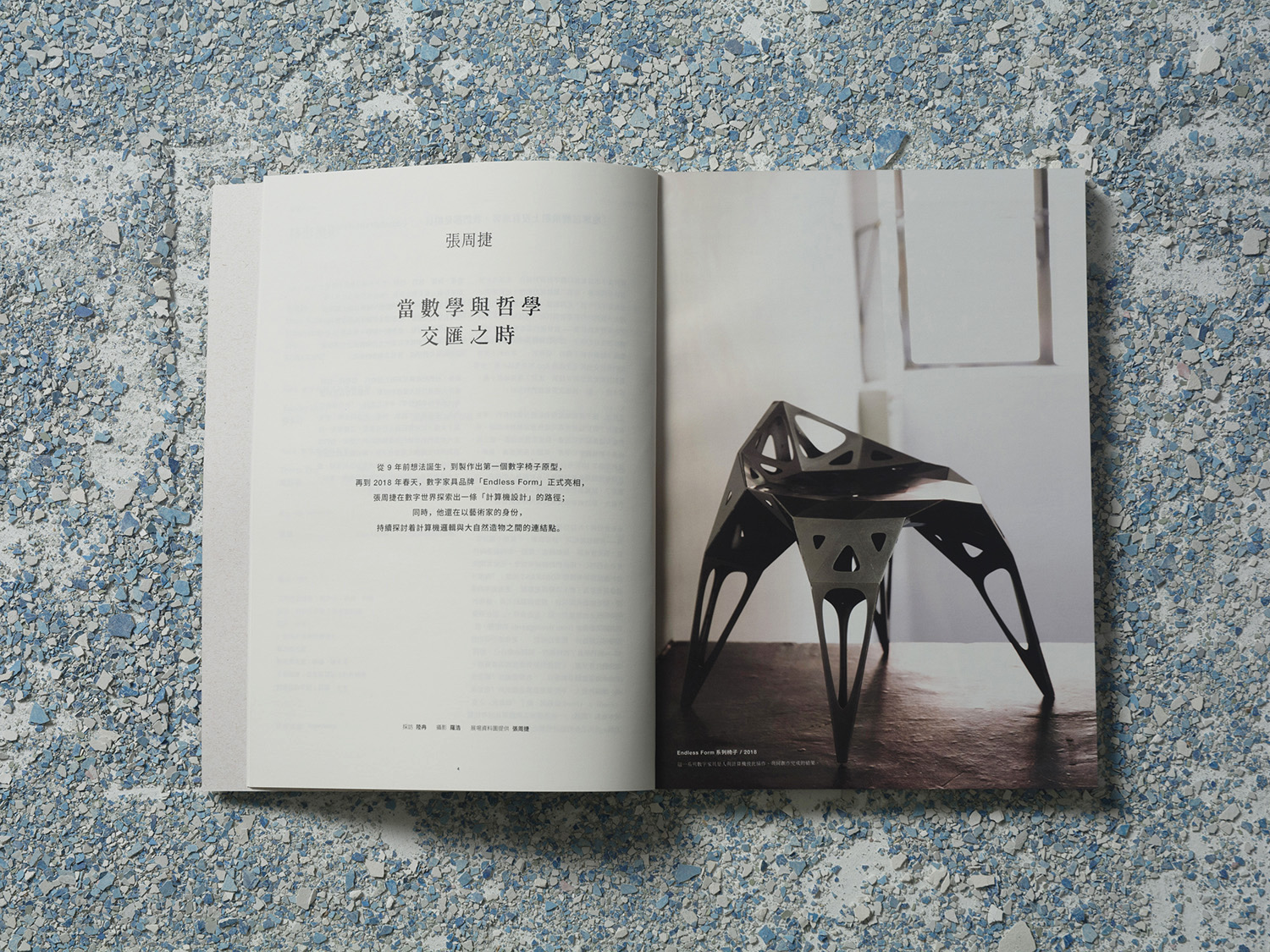
Zhang Zhoujie | Designer, Artist
When Mathematics Meets Philosophy
“Isn’t it great to make your life happier? Isn’t it the purpose of living? In a positive sense, we will return to humanity and our natural way of thinking.”
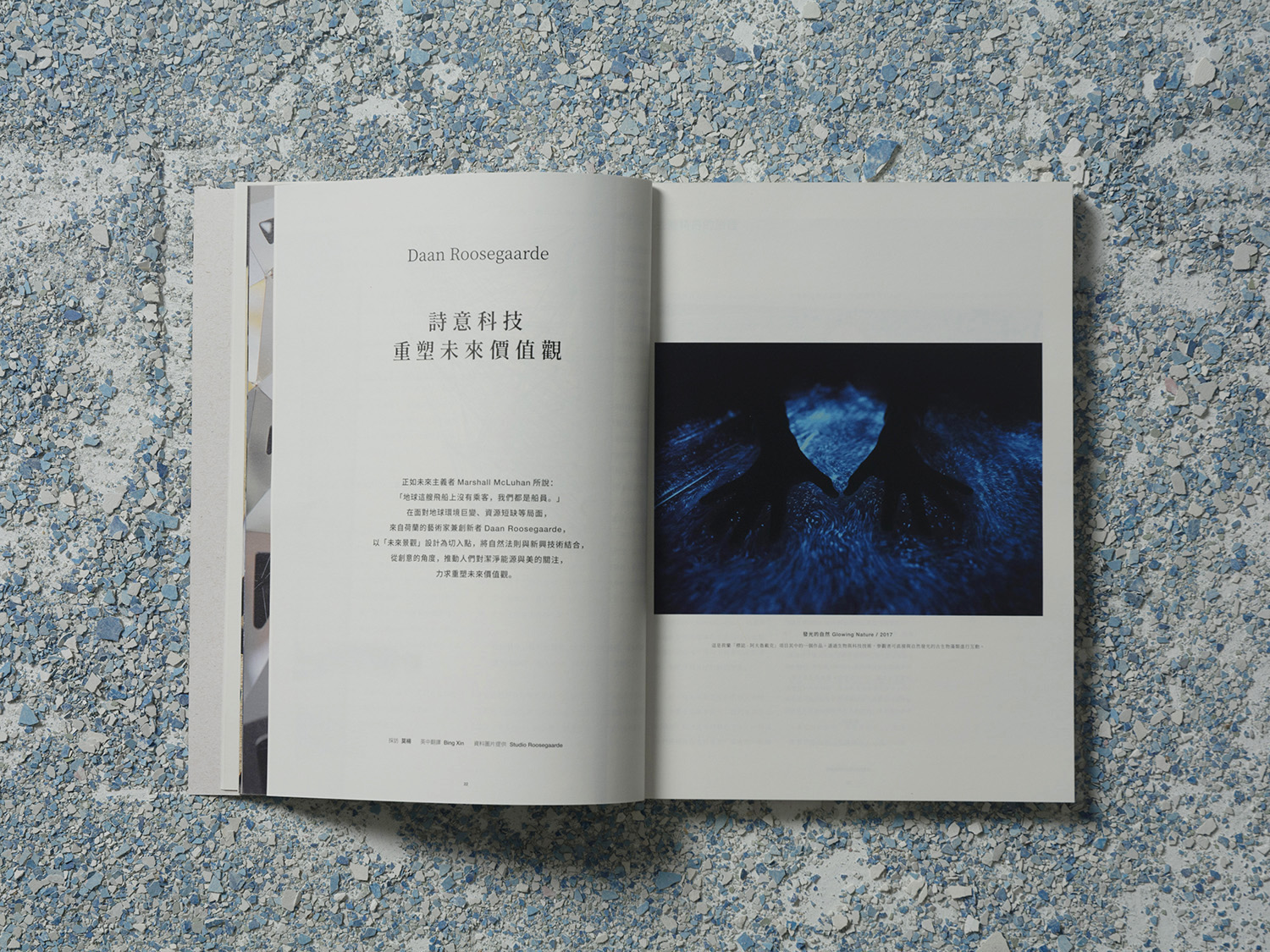
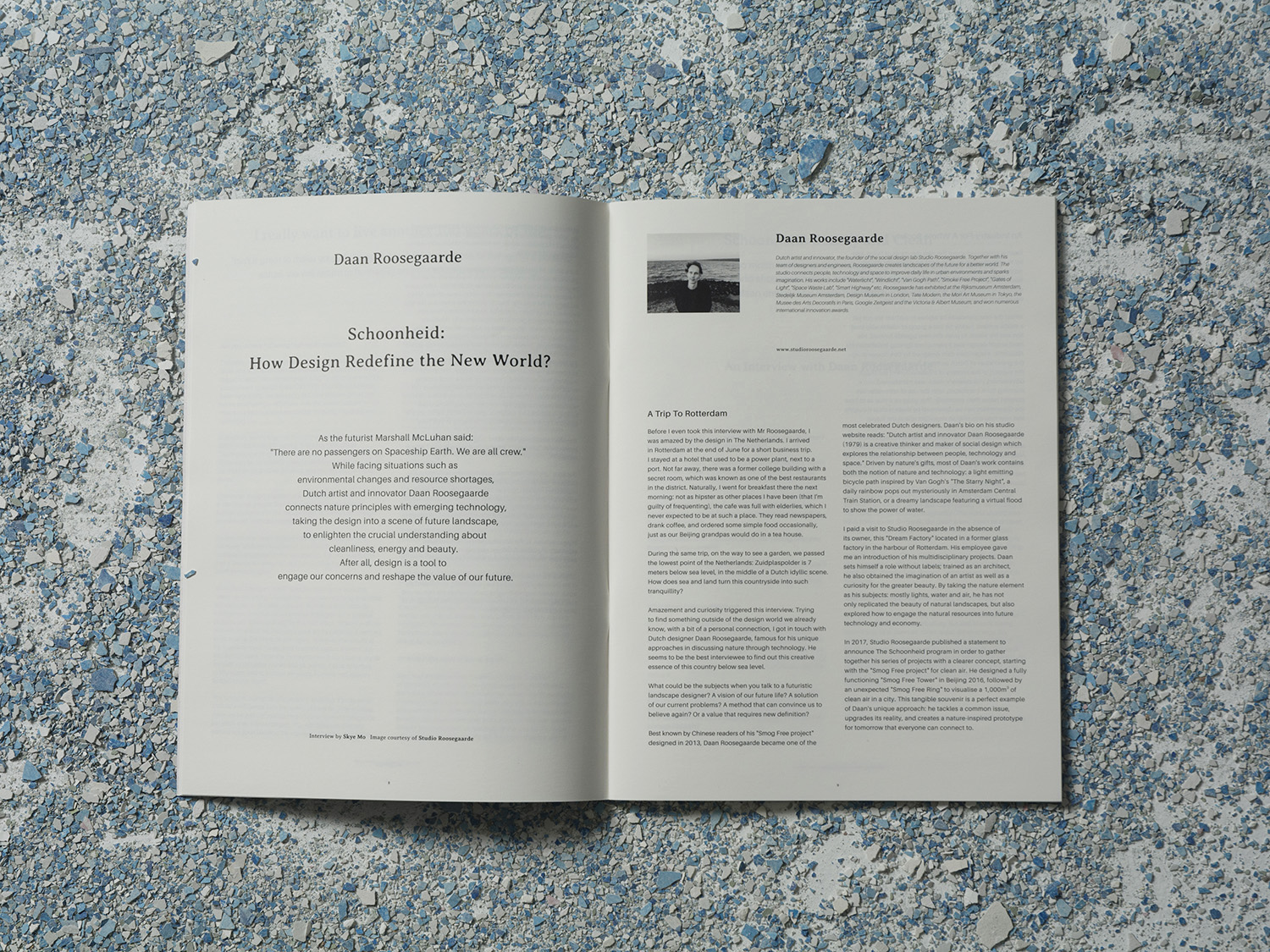
Daan Roosegaarde | Artist, Innovator
Schoonheid: How Design Redefine the New World?
“I realize there is too much money or technology in this world but not enough imagination. The world should also have some social elements, like clean water, clean air or clean energy and show how the future can look like.”
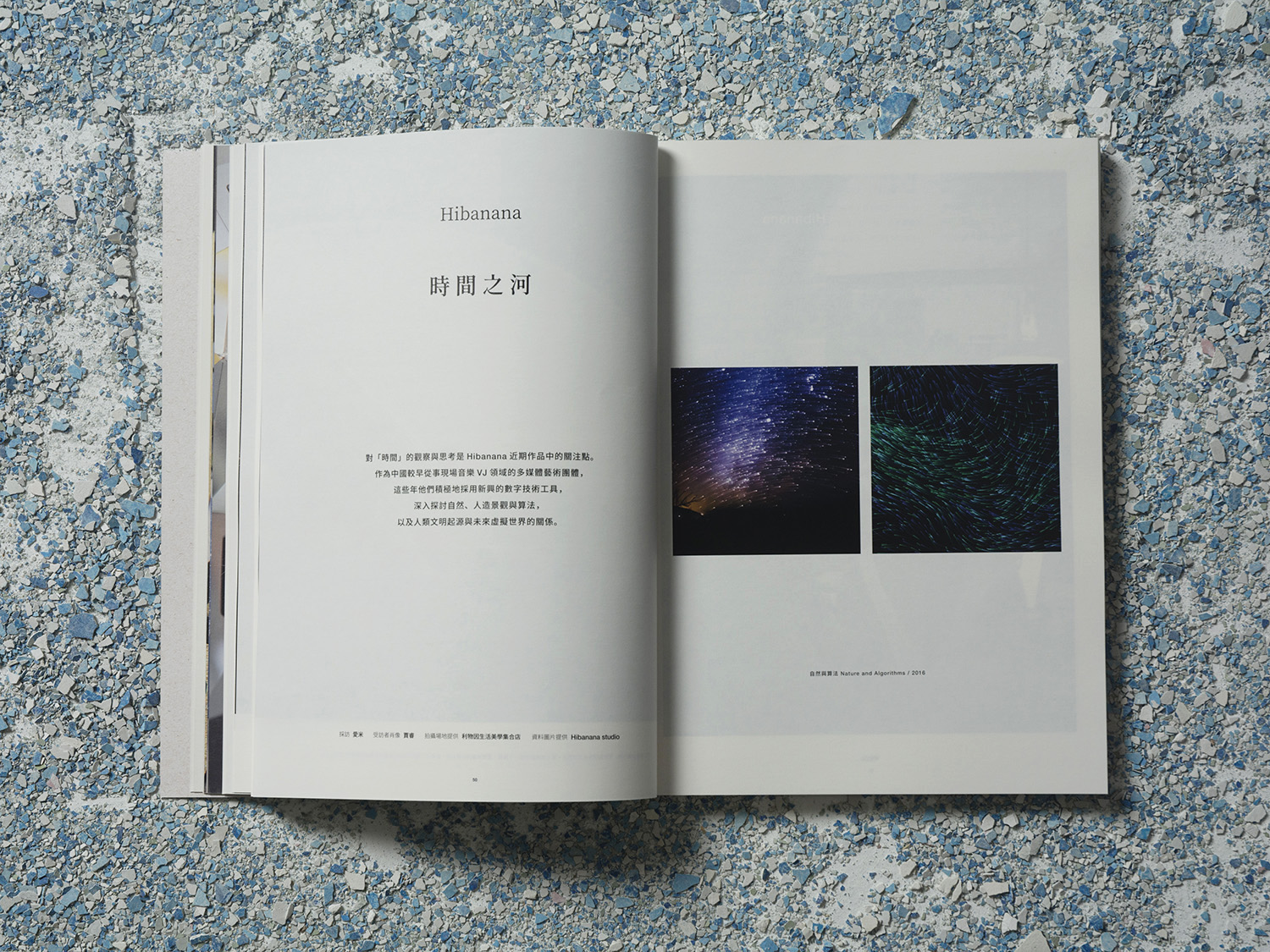
Hibanana | Creative Technologists
River of Time
“Digital technology leads to revolutionary change: if we didn’t invent the first computer 70 years ago, Internet in the 90s, and smartphone in 2000, what our life would be like? We seemingly have to move along with technology because it’s inevitable. It’s like evolution.”
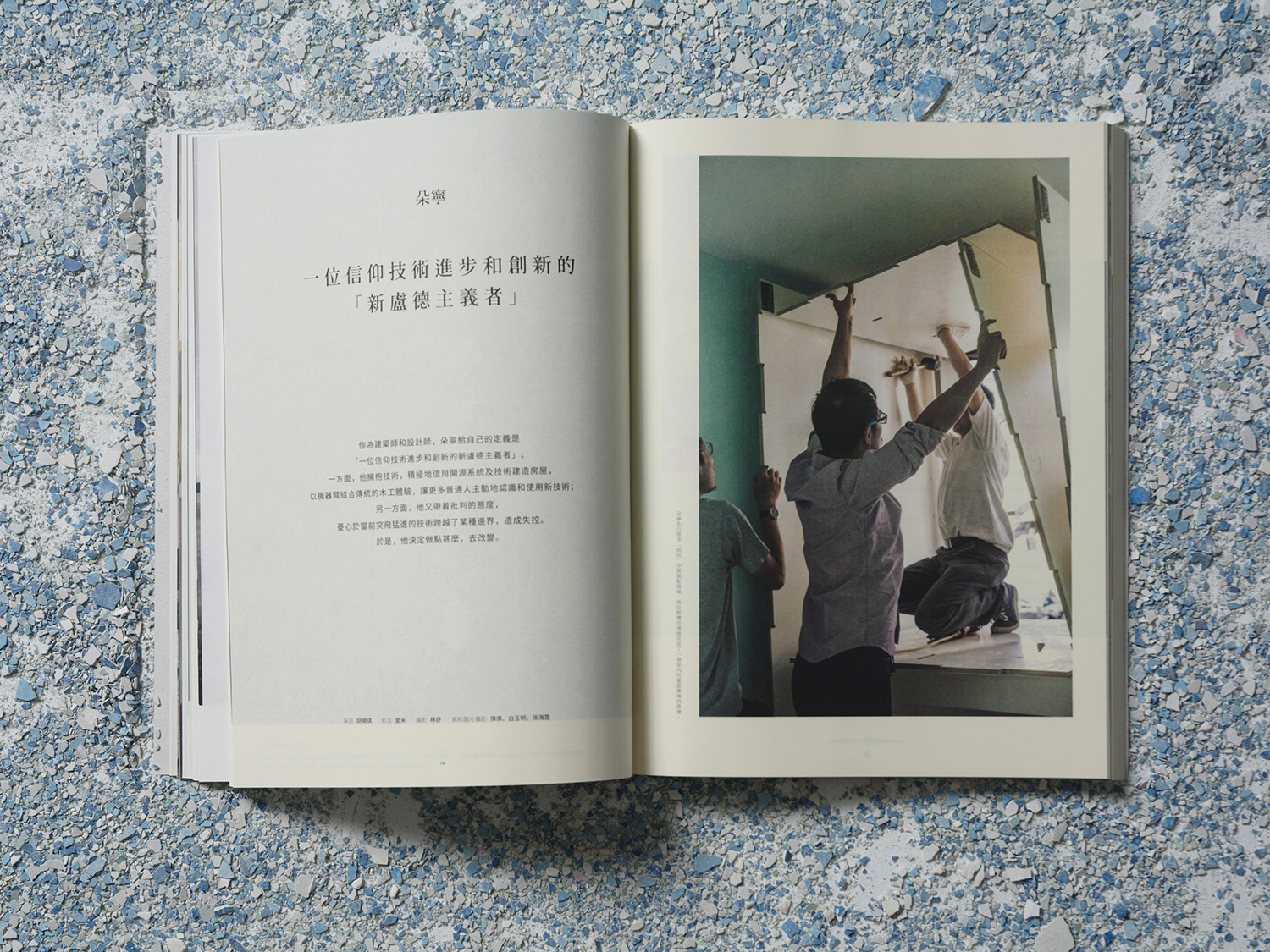
Duo Ning | Architect
A Neo-Luddite but Believing in Technical Progress and Innovation
“People, in my view, shouldn’t be ruled by digital technology. You need to understand the boundary of what you use to transform nature. You need to be able to strip off the ‘amplifier’ effect from the technology and tell what it really is.”
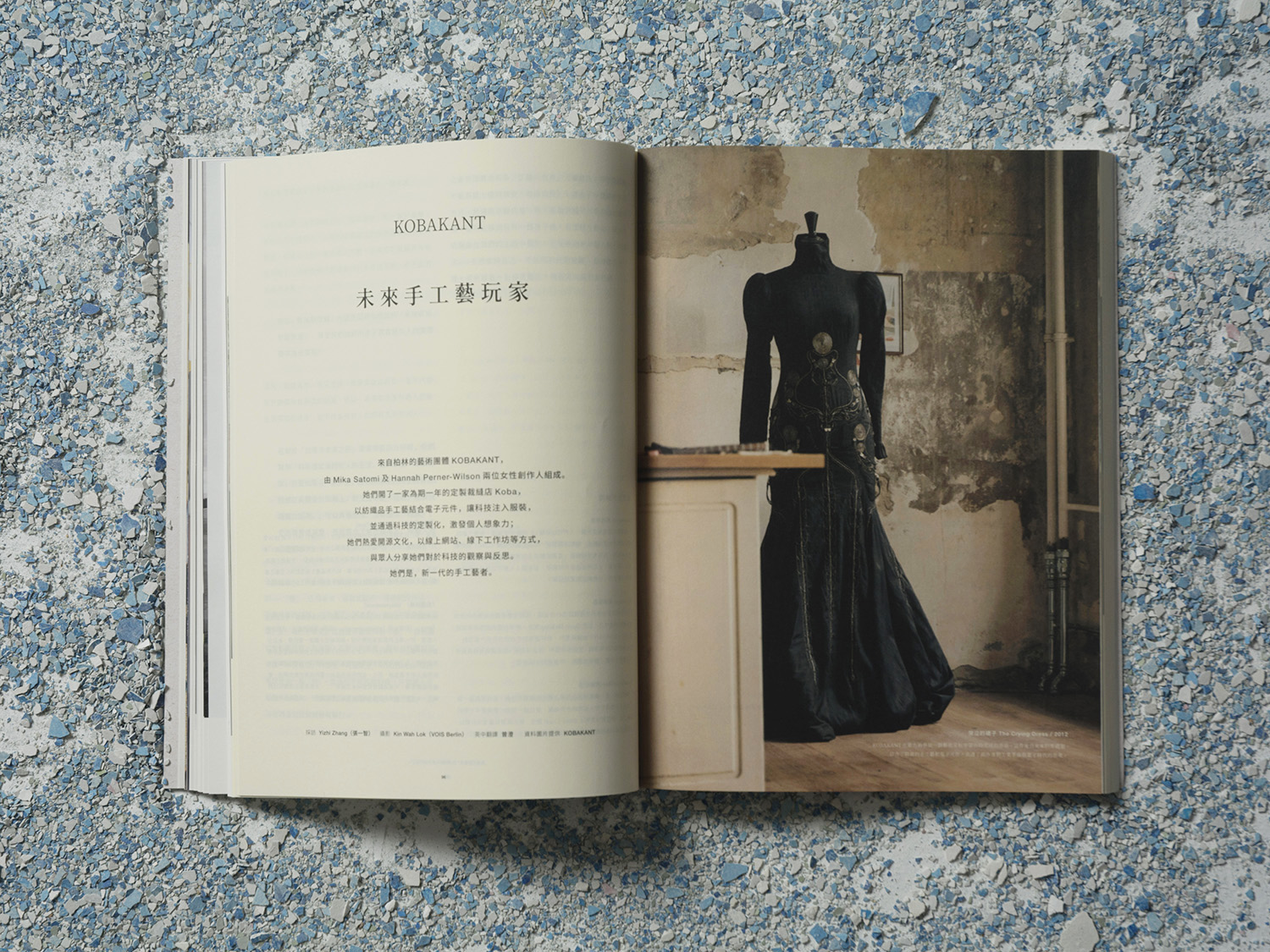
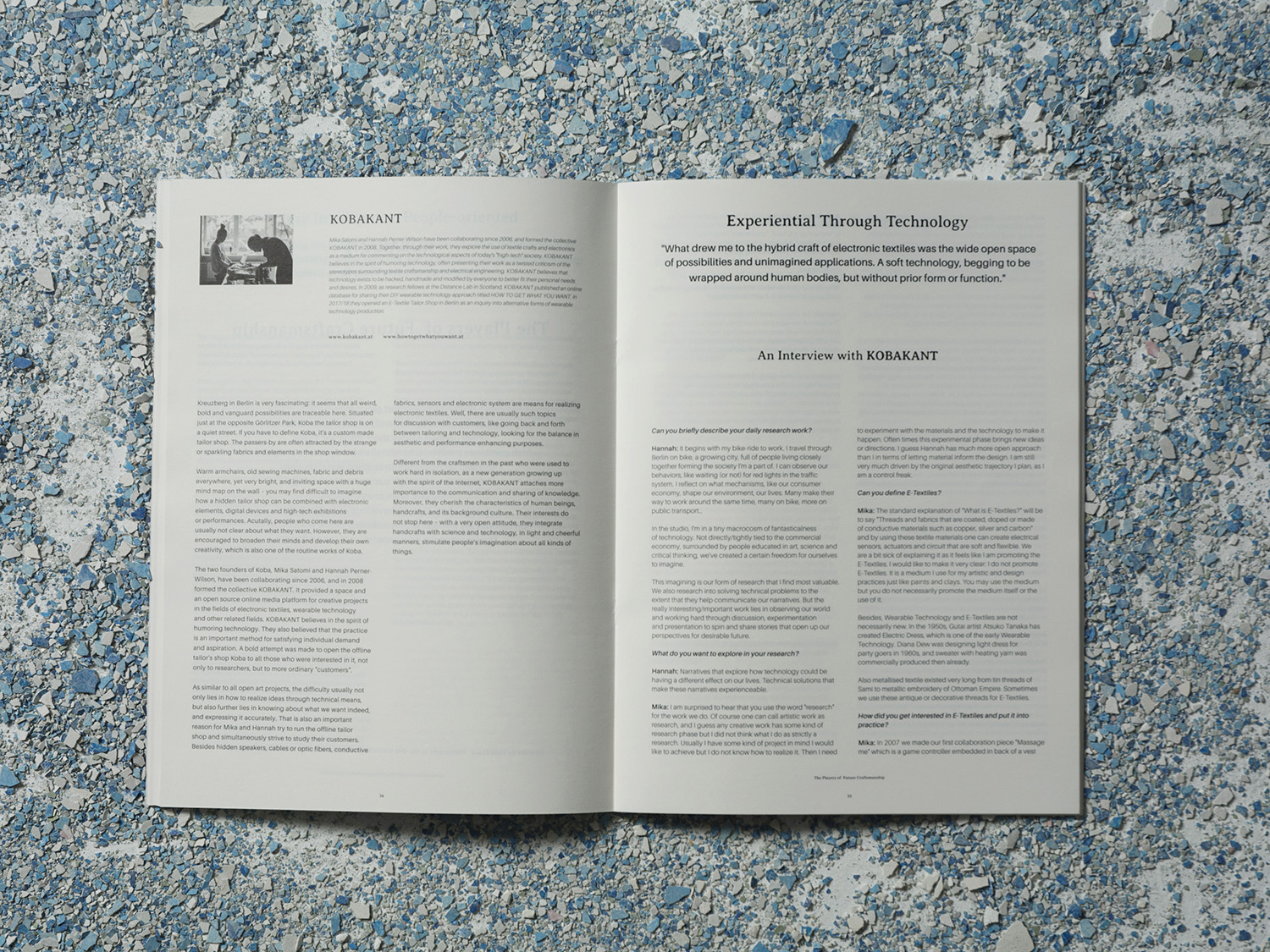
KOBAKANT | Art Collective
The Players of Future Craftsmanship
“What drew me to the hybrid craft of electronic textiles was the wide open space of possibilities and unimagined applications. A soft technology, begging to be wrapped around human bodies, but without prior form or function.”
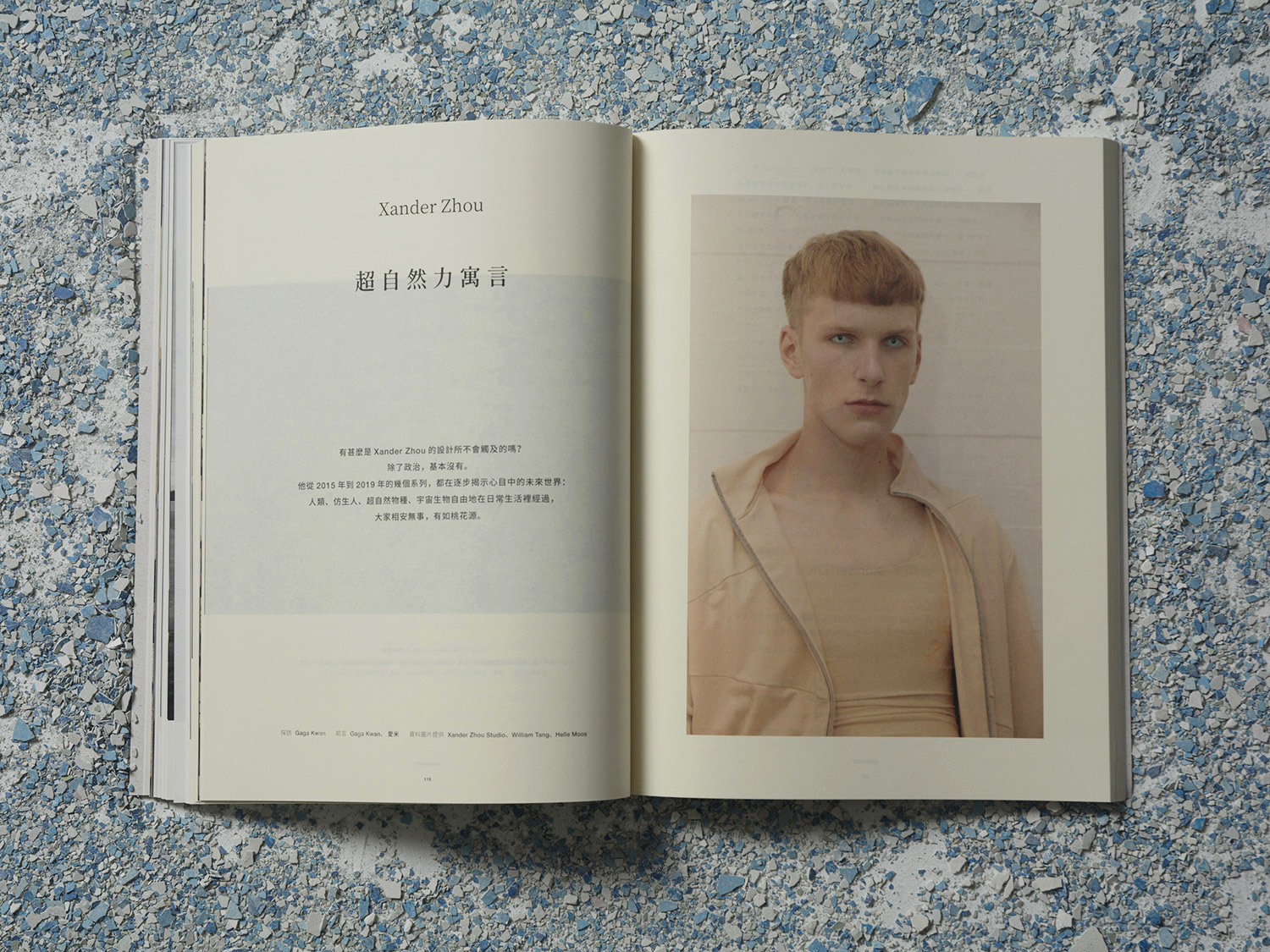
Xander Zhou | Fashion Designer
The Fables of Supernatural
“When we talk about diversity, it is not restricted to human society, but a broader diversity of human, non-human, the earth, the extraterrestrials, the universe and other intelligence.”
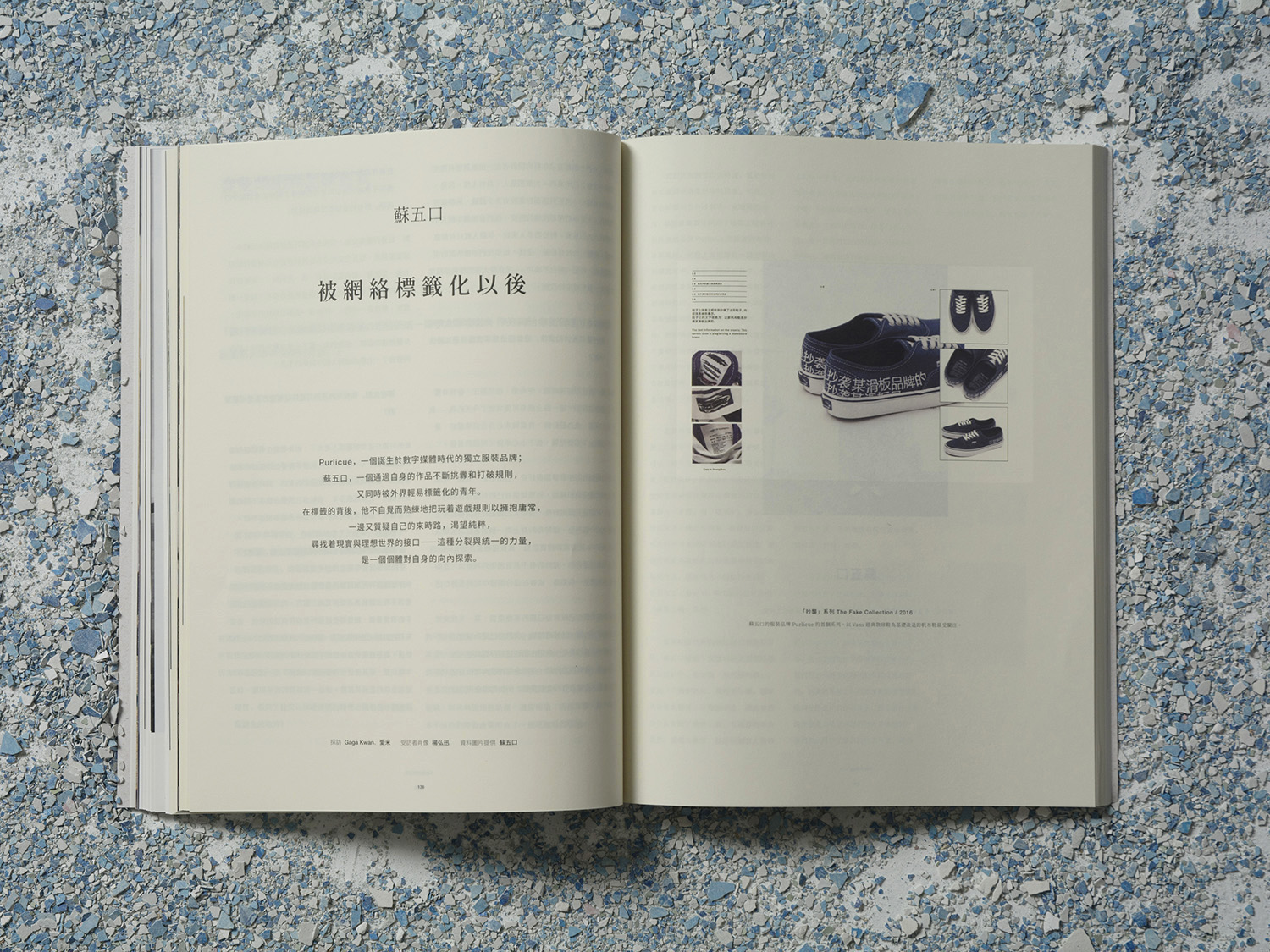
Suwukou | Fashion Designer
After being labeled by the Internet
“Some fashion designers take clothes as core to observe life and get nutrition continuously. While for me, the way of design is to retrospect things from the beginning.”
Teresa Eng | Photographer
Chongqing and Liverpool: The Millennials, living in the dream
“Millennials have a ‘Fear of Missing Out’ (FOMO) and that causes the anxiety that they’re not achieving as much as their friends are. Millennials feel more anxiety and pressure to look good because of social media.”
T.BB | Musician, Designer
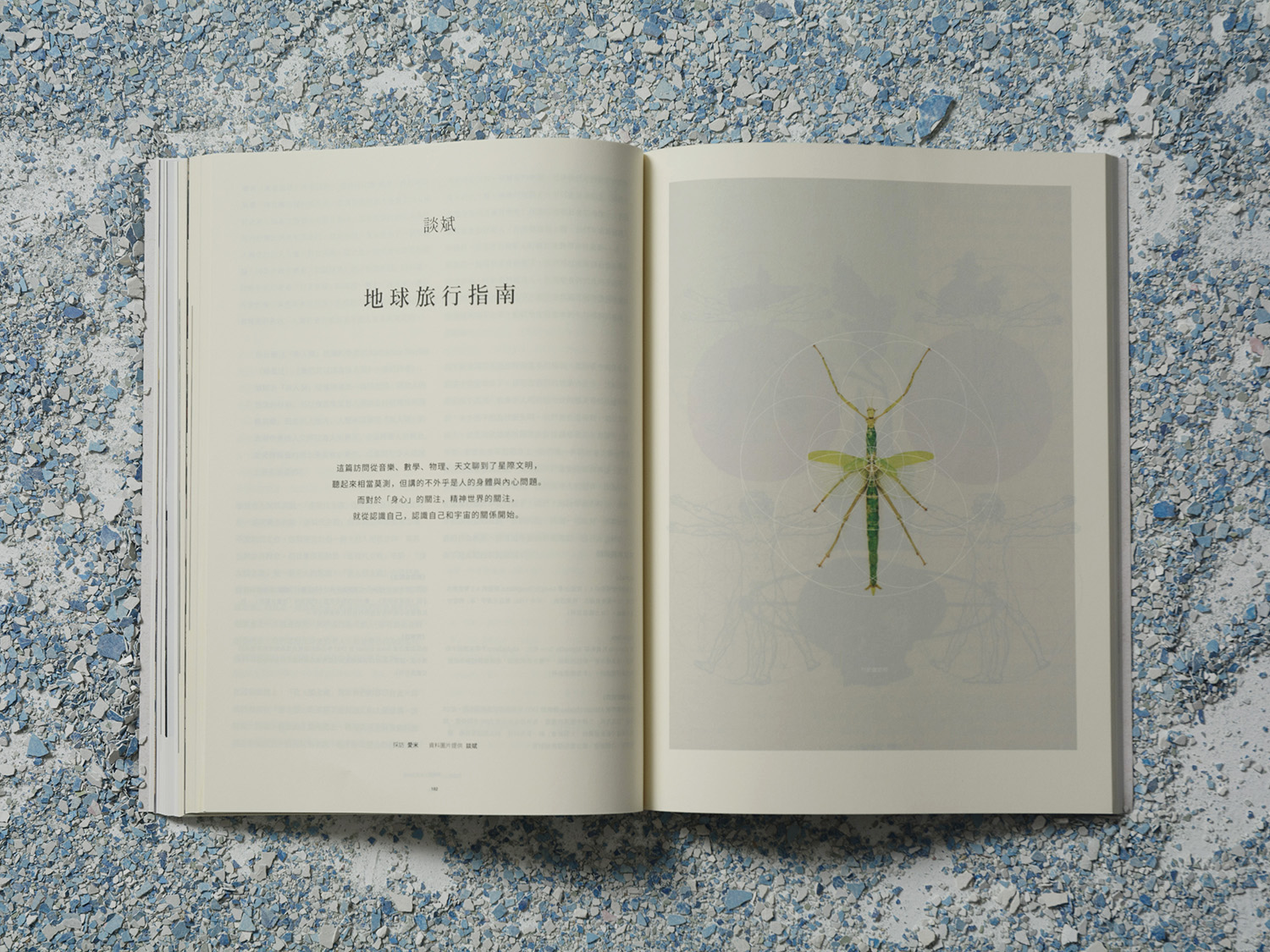
A Guide to Earth Travel
“No matter how you change or torment yourself, you will eventually return to the essence: our spiritual world, more specifically, how people re-discover themselves and how they understand the balance of human’s 7 basic needs. Only when these foundations are well-organised, can there be following possibilities, otherwise, we are just building castles in the air.”
Part I 想象力生活
*
當數學與哲學交匯之時
張周捷 | 設計師 & 數字藝術家
獨立設計師、數字藝術家。畢業於英國中央聖馬丁藝術與設計學院,為英國建築師協會訪問研究員,自 2010 年創立張周捷數字實驗室以來,一直是數字創作領 域的先鋒實踐者。
「人的價值感或許會缺失。目前來看,未來只要是智能範圍的,『人工智能』今後都可以做,除此之外剩下的是甚麼呢? 人的感情、情緒,各方面的生理需求,這些都是動物屬性的, 電腦不需要。人可以從服務業這類互相服務的工作之中解脫出來,不用為他人服務,留給自己的時間更多。人活得就可以更純粹,回歸到動物的狀態。」
*
詩意科技,重塑未來價值觀
Daan Roosegaarde | 藝術家& 社會活動家
荷蘭藝術家、創新者,創立了社會設計實驗室 Studio Roosegaarde。他以社會設計創客身份,攜手設計師和工程師團隊創建了一系列 「未來景觀」設計。
「在某個時刻我意識到,這個世界上有足夠的錢和科技,但缺乏足夠的想象力。這個世界也需要一些社會化的元素,例如乾淨的水、空氣、能源,並且要向人們展示未來會是怎樣的。」
*
時間之河
Hibanana | 創意視覺藝術團體
Hibanana由視覺藝術家劉唱和苗晶於2011年成立,他們現以紐約和上海為工作基地,他們的作品是藝術和科技的交點。一位信仰技術進步和創新的「新盧德主義者」
「數字科技帶給人的改變是革命性的:想象 70 年前,若沒有世界上的第一台電腦;90 年代時,若沒有人發明互聯網;甚至 2000 年左右時,若沒有人發明智能手機⸺你的生活是怎麼樣?就像『進化論』,我們已經似乎必須隨『科技』逐流,因為這是必然發生的。」
*
一位信仰技術進步和創新的「新盧德主義者」
朵寧 | 建築師
畢業於清華大學建築系,曾於「標準營造」、「非常建築」等建築事務所工作;後前往倫敦 AA 建築聯盟學院研究生部深造,回國後與建築師高岩共同創辦「度態建築」; 2017 年,創立了家具品牌「點造」。
「在一個現代社會中,你應該了解這些科技都是怎麼來的。當你能夠理解技術的時候,也許你跟科技和機器的關係會更平等,或者至少你會產生危機感,去進化出新的生存策略和解決方案。 」
*
未來手工藝玩家
KOBAKANT | 藝術家團體
來自柏林的女性藝術家Mika Satomi與Hannah Perner-Wilson,於2008年組成藝術團體 KOBAKANT,通過使用紡織品手工藝及電子元件,回應當今的「高科技社會」。
「智能紡織的混合工藝令我着迷的地方在於,其中蘊含的廣闊可能性與超越想象的應用方式。這樣一種柔軟的科技,從最初在形式與功能上的無預設狀態,最後被運用於包覆在人體上。」
Part II 數字科技下的時裝型態
超自然力寓言
Xander Zhou | 服裝設計師
曾攻讀工業設計,荷蘭遊學多年後於 2007 年創立個人同名品牌 XANDER ZHOU。他是首位登入「倫敦男裝周」 官方日程表的華人設計師,名列 2017、2018 年「BoF 500」榜單。
「現在我們談到的 Diversity(多樣性),並不局限於人類社會,而是人類、非人類、地球、 外星、宇宙以及所有智慧的 Diversity。」
*
被網絡標籤化以後
蘇五口 | 服裝設計師
設計師,生活和工作於廣州。他於 2015 年創立了Purlicue 服裝工作室。
「有些服裝設計師,以服裝為核心,觀察生活,不斷餵養。而我做東西的思維是階段性地對事物歸零、重新審視它。」
Part III 數字身體與形象
如在夢中:重慶 & 利物浦「千禧一代」
Teresa Eng | 攝影師
加拿大華裔攝影師,現於英國倫敦工作和居住。2008 年畢業於倫敦傳媒學院,獲攝影碩士學位。 她的作品在倫敦、瑞典、德國、華沙、希臘等畫廊與攝影節展出。
「如今,『千禧一代』有種『錯失恐懼症』,這使得他們常感到焦慮,尤其當他們覺得自己 不如朋友們那麼有成就時。『千禧一代』感受着更多的焦慮和壓力,因為社交媒體的介入, 他們想變得看起來更好。」
*
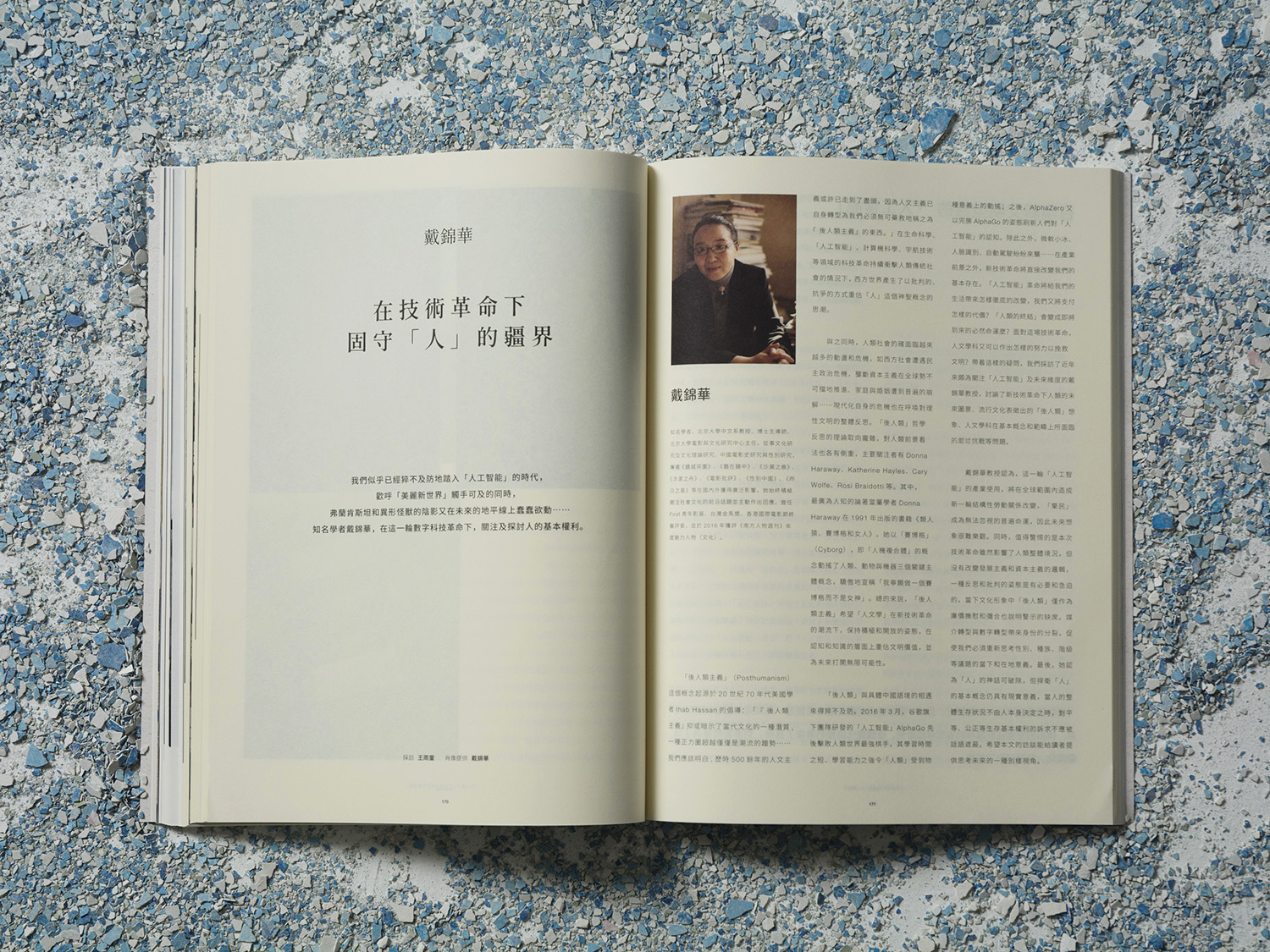
在技術革命下,固守「人」的疆界
戴錦華 | 學者
知名學者,北京大學中文系教授、博士生導師、 北京大學電影與文化研究中心主任。從事文化研究及文化理論研究、中國電影史研究與性別研究,始終積極關注社會文化的前沿話題並主動作出回應。
「抵抗的意義不在於戰而勝之,因為一個新技術的廣泛應用已然是一場深遠的社會博弈的結 果。抵抗的意義在於讓我們去思考和認知,這個變化給我們帶來了甚麼,更重要的是為了這個變化,我們付出了甚麼。」
像水一樣 Live Like Water
地球旅行指南
談斌 | 音樂人& 設計師
實驗電子音樂人、DJ、平面設計師。主理混音電台「COSMICSURFERS」(宇宙衝浪者@ 蝦米音樂) 及「sunmoonrain」(太陽月亮雨 @ 網易雲)。
「任你如何變化,如何折騰自己,最後都會回到根源,即我們的精神世界,回到人如何重新 識自己,認識人的 7 個基本需求的平衡上來。只有這些根基被照顧好,才有後續的各種可能,不然只會是空中樓閣。」
筆記 Notes
俞嘉慧 | 音樂的社會性:鹿特丹、華沙、科隆
史聞韜 | 服裝:向科技妥協?與未來和解
林舒 | 塔記:正定
胡月| 一杯蒸青茶中的遷徙史
竹蘆 | 觀法如芭蕉
黃西 | 敦煌莫高窟、刺繡、通天地
安然 | 青海囊謙:從牧區到城市的新移民
Dooling Jiang | 侗寨探訪手記:回歸,先進
第2期製作團隊
主编:愛米 設計 :T.BB
特約攝影:賈睿、林舒、羅浩、楊弘迅、勞建樺
特約記者: 張一智、王雨童、莫楊、陸冉、Gaga Kwan、胡曉琪
翻譯 :倪方方、陳晨、曾澄、 許嘉 、冰鑫
中文校對:李遠華、傅萌怡、陳庭婷